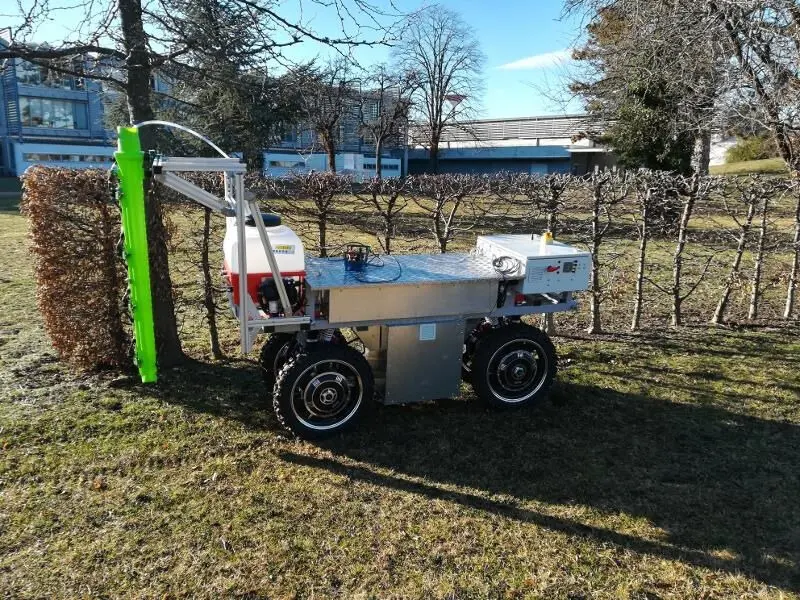
Perception and mapping
We use sensor data to help robots locate themselves and build maps of their surroundings.
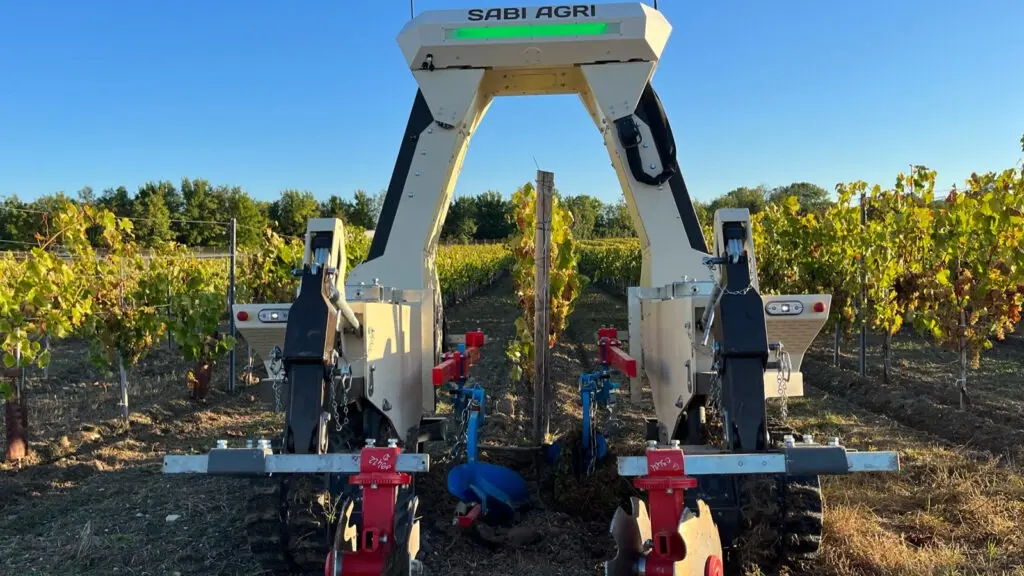
Navigation and control
Our work covers motion planning and control, from choosing a route to following it on a real robot.
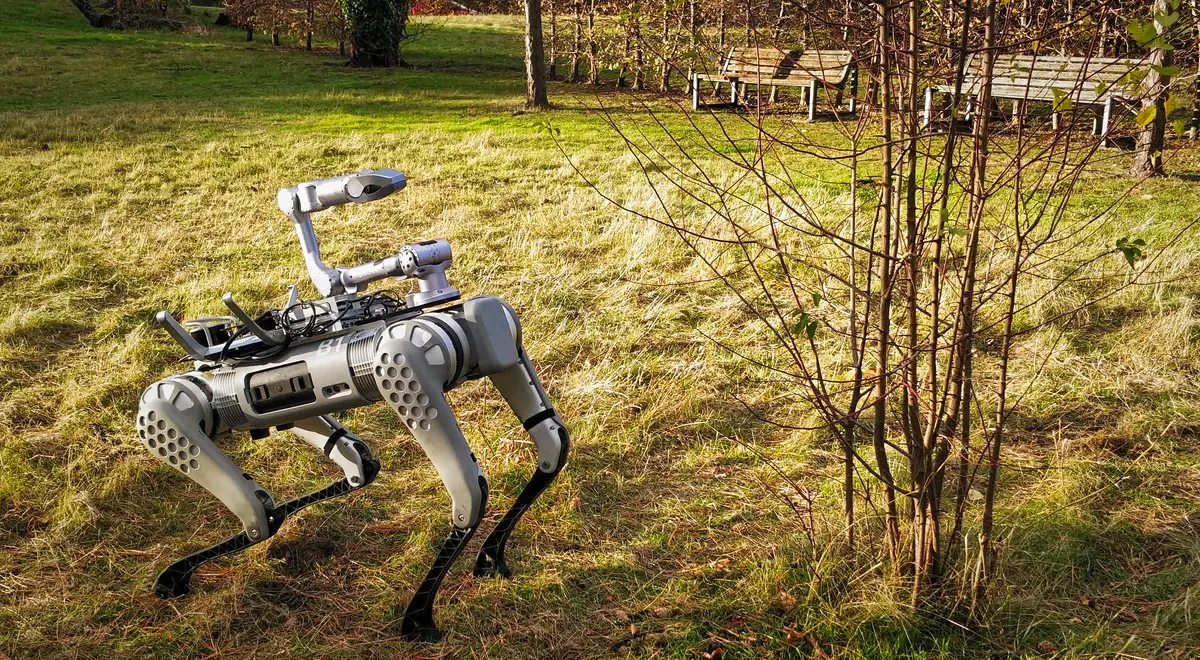
Interaction with natural environments
We study contact with non-rigid environments, and how robots can use that contact to move and manipulate objects.
Publications
Full bibliography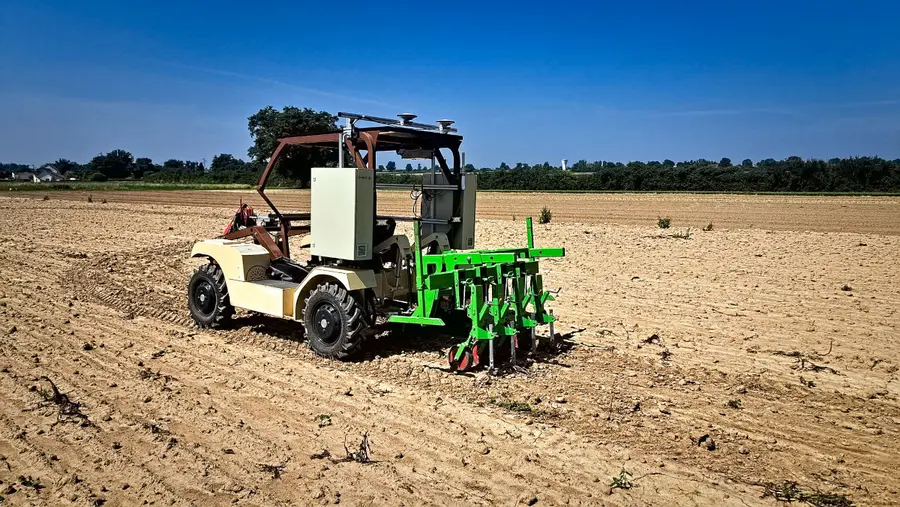
A Predictive Control Strategy to Offset-Point Tracking for Agricultural Mobile Robots
Keeping an agricultural tool on its path while the robot moves.
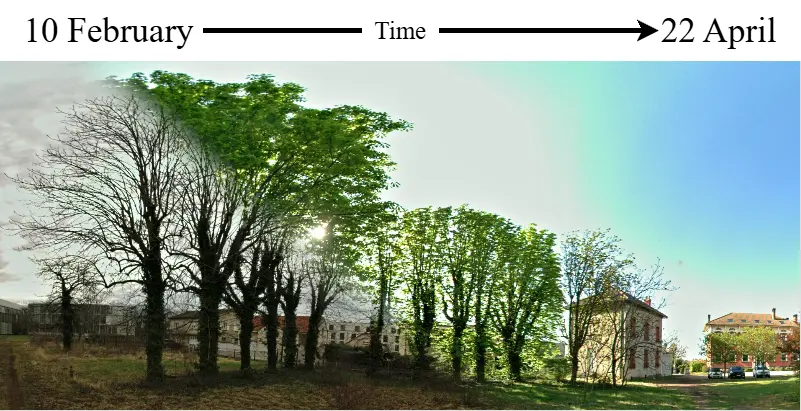
When and Where Localization Fails: An Analysis of the Iterative Closest Point in Evolving Environment
How changes in an outdoor scene affect lidar-based localization.
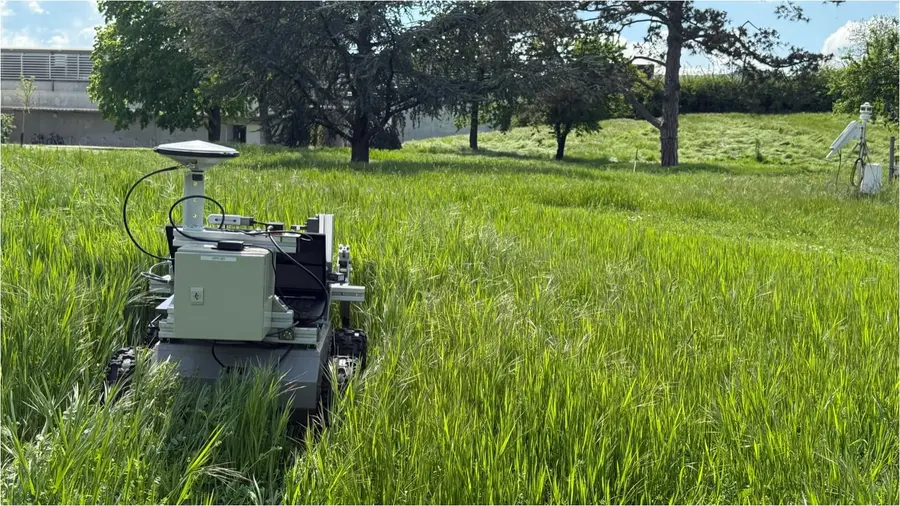
Feeling the Force: A Nuanced Physics-based Traversability Sensor for Navigation in Unstructured Vegetation
Measuring the resistance of vegetation with a force sensor mounted on a robot.
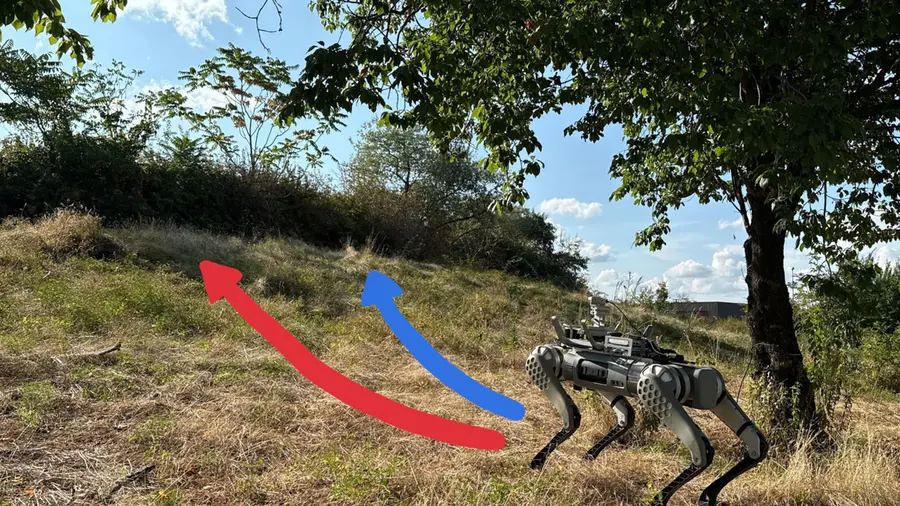
Energy Prediction on Sloping Ground for Quadruped Robots
Predicting a quadruped's energy use from the slope and direction of travel.
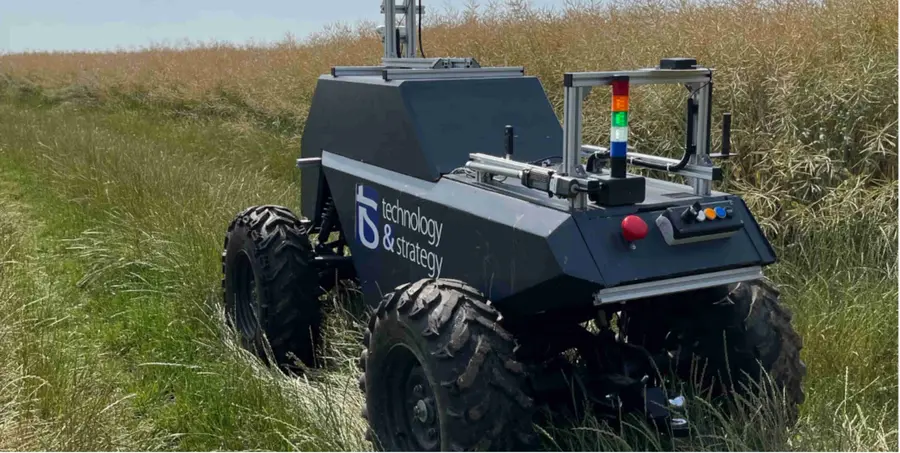
Collision-Aware Traversability Analysis for Autonomous Vehicles in the Context of Agricultural Robotics
Estimating where a robot can drive using geometry and multispectral measurements.
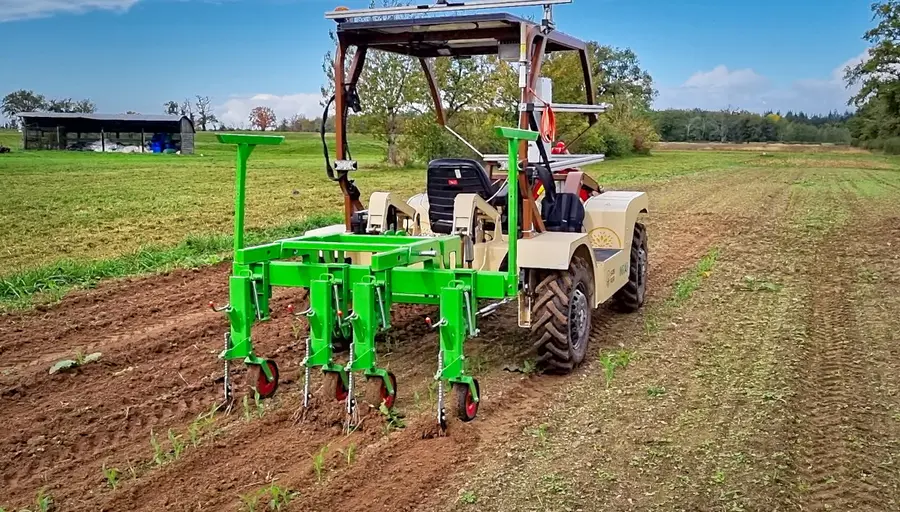
A Novel Control Strategy for Offset Points Tracking in the Context of Agricultural Robotics
Controlling the motion of an agricultural tool through a point attached to it.
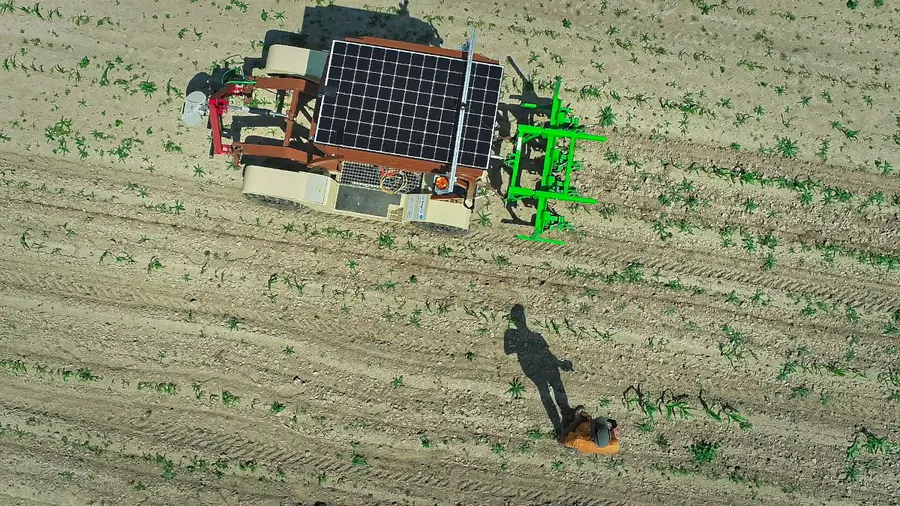
Toward a Better Understanding of Robot Energy Consumption in Agroecological Applications
Measuring the energy used by a robot and its tools during fieldwork.
Work with us
For internships, PhD projects or a research visit, see the prospective student guide or contact Johann Laconte.